
If you’ve noticed that the celebrity travel content flooding your feed has gotten suspiciously… understated lately, you’re not imagining things. No over-the-top resort pools. No logo-heavy luggage. And no “spontaneous” yacht selfies. Instead, A-listers are quietly slipping away to quiet luxury travel destinations — places where the price tag is very much implied and the aesthetic does the talking without saying a word.
Quiet luxury travel destinations aren’t just a trend response to pandemic-era excess. They’re a full philosophical shift: fewer crowds, higher quality, more intention. Think cobblestone alleys instead of boulevard flash. Think private wine tastings over rooftop pool parties. And critically, think Europe — because nobody does old-money discretion quite like the continent that invented it.
Here are five European spots that have become the under-the-radar obsessions of the style-conscious, ultra-discerning traveler this summer.
1. Comporta, Portugal
Just an hour south of Lisbon, Comporta has been whispered about in the right circles for years — but 2025 is the summer it officially arrived. Think rice paddies meeting white-sand Atlantic beaches, with zero chain hotels in sight. The architecture is low-slung and earthy, the restaurants source hyperlocally, and the vibe is what the Hamptons wishes it still was.
Celebrities and fashion industry jetsetters have been quietly booking its handful of boutique properties for the better part of a decade. The appeal is simple: vast, uncrowded beaches, extraordinary seafood, and a total absence of the performative luxury that’s come to define more obvious destinations.
What to do: Rent a vintage bike and ride through the rice paddies to Praia de Comporta. Book dinner at a restaurant that’s essentially someone’s house. Resist the urge to over-plan — that’s the whole point.
2. Vis, Croatia
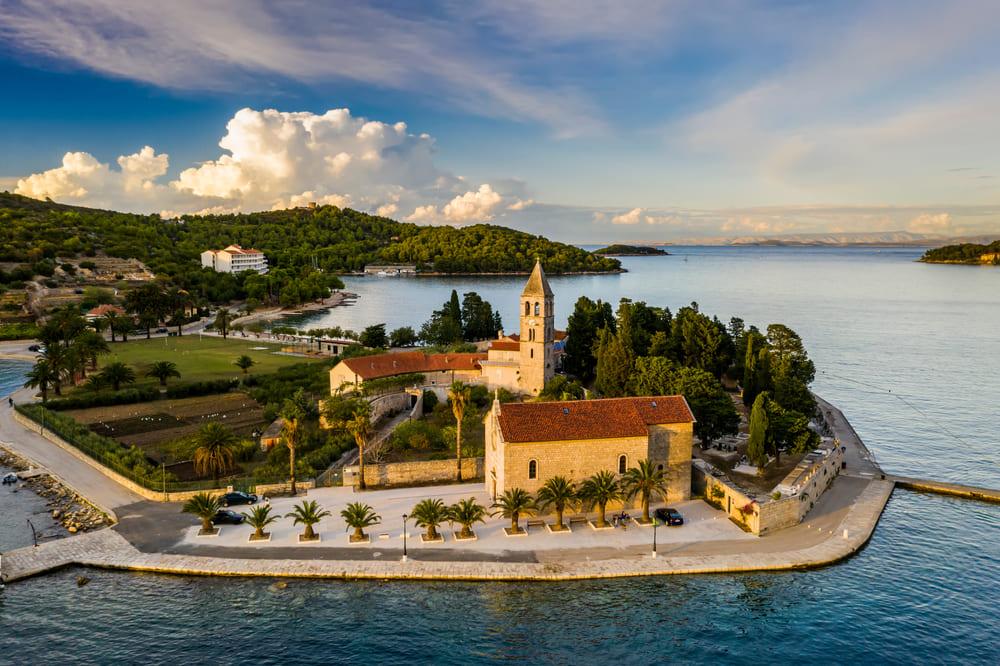
Forget Hvar. The people who really know Croatia have been taking the ferry to Vis for years, and they’d rather you didn’t. Croatia’s most remote inhabited island only opened to tourism in 1989 (it was a Yugoslav military base). This means it largely missed the Instagram-era development boom that turned parts of the Dalmatian coast into a sun-drenched frat party.
Vis offers crystal-clear Adriatic waters, impossibly good local wine (Vugava, specifically — remember that name), and a pace of life so unhurried it borders on a wellness experience. This is one of those quiet luxury travel destinations where the luxury is the slowness.
What to do: Charter a small boat to the Blue Cave and the nearby island of Biševo. Eat peka — slow-roasted lamb or octopus under a bell-shaped lid — at a family-run konoba. Swim from rocks at sunset. You won’t need a post-summer detox if you spend your days in this paradise!
3. Matera, Italy
Southern Italy’s most dramatic city has been having a very long cultural moment that somehow hasn’t peaked. Carved into ancient ravines in the Basilicata region, Matera’s sassi — cave dwellings that date back over 9,000 years — have been converted into extraordinary boutique hotels and restaurants. It’s one of Europe’s oldest continuously inhabited settlements, and it wears that history with the kind of effortless gravitas that perfectly suits the quiet luxury traveler.
Unlike Rome or the Amalfi Coast, Matera doesn’t feel performatively touristic. It feels discovered — which, for a certain type of traveler, is exactly the point. Just as the travel experiences people are prioritizing now have shifted toward depth over spectacle, Matera delivers on every count.
What to do: Stay in a converted cave hotel. Eat at a restaurant built into the rock face. Watch the city glow gold at dusk from the Belvedere viewpoint.
4. The Faroe Islands
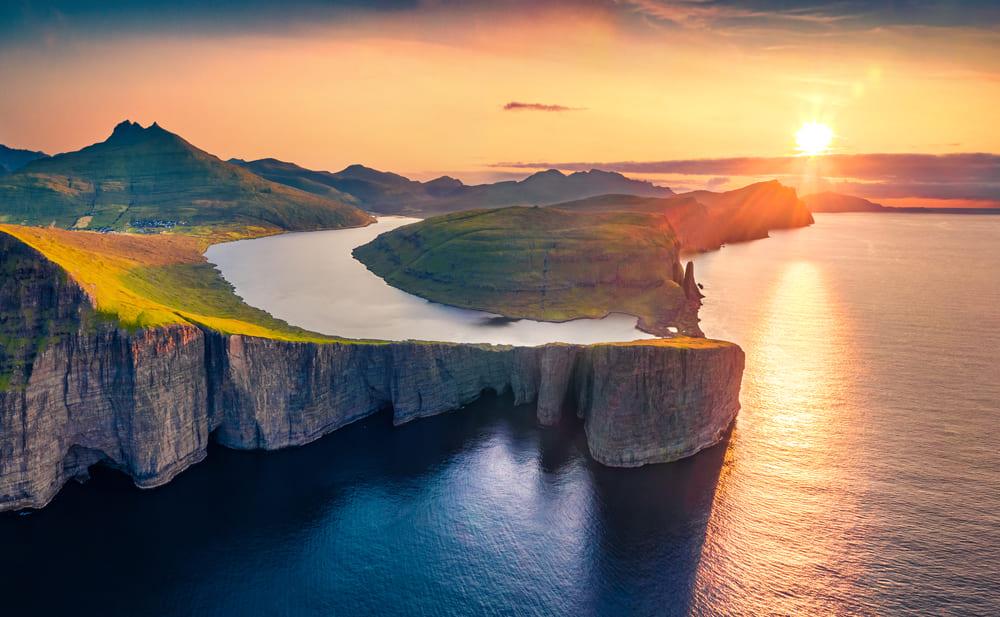
For the traveler who finds Switzerland too obvious and Norway too crowded, the Faroe Islands have become something of a holy grail. This remote North Atlantic archipelago — technically Danish autonomous territory, geographically between Iceland and Norway — offers landscapes so cinematic they feel CGI-enhanced. Dramatic sea cliffs, turf-roofed village churches, waterfalls that drop directly into the ocean.
The Faroes have deliberately kept tourism controlled and sustainable, which means it genuinely hasn’t been overrun yet. Access requires intention — no budget airline direct routes, no all-inclusive resorts — and that barrier alone acts as a natural filter for the kind of thoughtful, high-quality traveler these quiet luxury travel destinations attract. It’s a true hidden gem travel destination.
What to do: Hike to Sørvágsvatn, the lake that appears to hover above the ocean. Visit the village of Gásadalur. Eat local lamb and fermented fish, because you should always eat what a place is actually known for.
5. Sintra, Portugal (Beyond the Day Trip)
Yes, Sintra appears on every “day trip from Lisbon” list, which is exactly why the clever traveler stays. Once the tourist buses clear out after 5pm, Sintra transforms. The palaces go golden in the evening light, the misty Serra de Sintra forest goes quiet, and the town reveals itself as one of the most romantic places in Europe.
Sintra is technically a UNESCO World Heritage Site, but its upper reaches — the private quintas, the hidden wine estates, the centuries-old manor houses converting into intimate hotels — remain remarkably uncrowded. Pair it with a stop in nearby Cascais, and you have a stretch of the Portuguese Riviera that punches well above its fame-to-crowd-ratio.
The style philosophy at play here mirrors what’s happening across fashion right now: investment pieces that prioritize craft and longevity over flash. Sintra is exactly that — enduring, layered, worth staying for.
What to do: Book at least two nights. Visit Quinta da Regaleira at opening time before the crowds arrive. Eat pastel de nata at a café where nobody is taking photos of theirs.
Quiet Luxury Travel Destinations: FAQs
What does “quiet luxury travel” actually mean?
It’s travel that prioritizes quality, discretion, and experience over visibility and status signaling. Think independent boutique hotels over mega-resorts, off-peak timing, and destinations chosen for what they feel like rather than how they photograph.
Are quiet luxury travel destinations actually more expensive than mainstream ones?
Not always — and that’s part of the appeal. Vis, Matera, and Comporta often cost less than the Amalfi Coast or Mykonos while delivering a significantly more elevated, less crowded experience. The “luxury” is in the curation, not necessarily the price per night.
What’s the best time of year to visit quiet luxury European destinations to avoid crowds?
Late May through mid-June, and September into early October. You get the weather without the peak-August tourist surge. For the Faroe Islands specifically, June offers near-endless daylight — a dramatic bonus.
The Common Thread Linking These Quiet Luxury Travel Destinations
What unites Comporta, Vis, Matera, the Faroes, and Sintra isn’t geography — it’s philosophy. These are places that reward the traveler who does the research, books the right property, and shows up willing to actually be somewhere rather than just document it.
The A-list has figured out what the rest of us are catching up to: the most aspirational quiet luxury travel destinations don’t shout. They don’t need to.
Pack smartly and lightly, book well, and go somewhere worth going.





Leave A Comment