
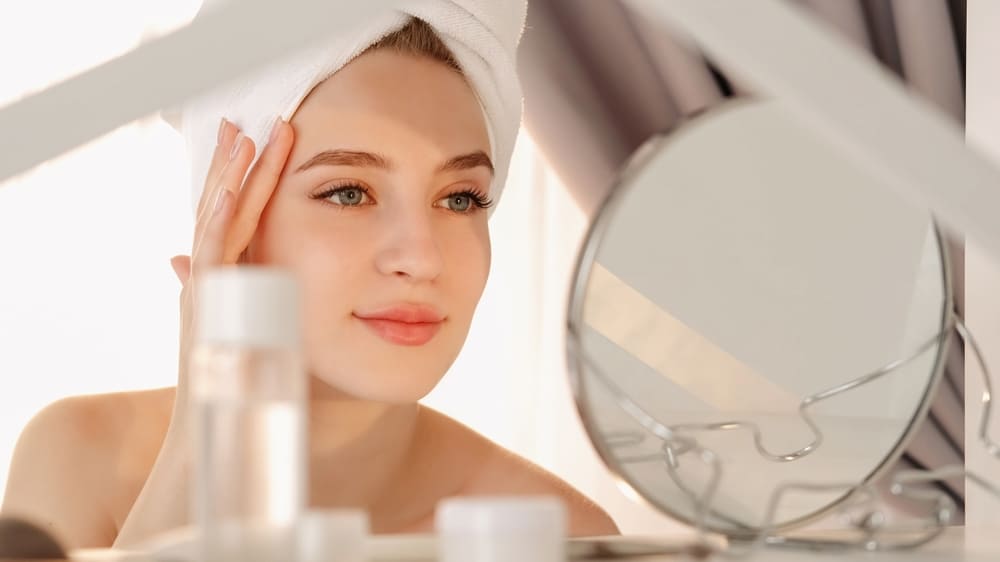
If you’ve spent the last three years slugging your face with enough petroleum jelly to mirror a Krispy Kreme donut, I have some news. Your skin can finally breathe. While we’ve all enjoyed the Glass Skin and Glazed Donut era, 2026 has officially ushered in a vibe that is a little less maritime rescue and a little more ethereal dreamscape.
Welcome to the Cloud Skin revolution.
Now, before you panic and reach for those cakey, matte foundations we collectively renounced in 2016, take a breath. Cloud Skin isn’t about looking dry; it’s about looking soft. Think of the way light hits a cloud at sunset. It’s hazy, diffused, and glowing from within, but without the oily sheen. It’s the ultimate look: it says you have a 12-step skincare routine, but you’re also too cool to look like you’re sweating under office fluorescent lights.
The Science of the Cloud Skin Haze

The magic of Cloud Skin lies in the contrast. In the previous era, we wanted light to bounce off our cheekbones like a laser beam. In 2026, we want that light to scatter. By strategically layering textures, we create a look that is blurred and velvety. It’s the makeup equivalent of a soft focus filter, and honestly, it’s much more forgiving on texture and pores than the hyper reflective looks of the past.
Step 1: Prep Like Your Reputation Depends on It
You cannot achieve a soft focus finish on dehydrated skin. If your base is dry, the makeup will look dusty rather than cloud like. Start with a lightweight, humectant-rich serum that plumps the skin without leaving a greasy film. My current favorite is the hydrating serum from the Avinichi Mulberry Collection – check out my review here.
Step 2: The Base
In 2026, we aren’t doing full coverage masks. Use a serum foundation or a skin tint, applying it only where you need it, usually the center of the face, and blending outward. The secret to the Cloud Finish is using a damp beauty sponge to press the product into the skin.
Step 3: The Cloud Technique (Micro-Powdering)
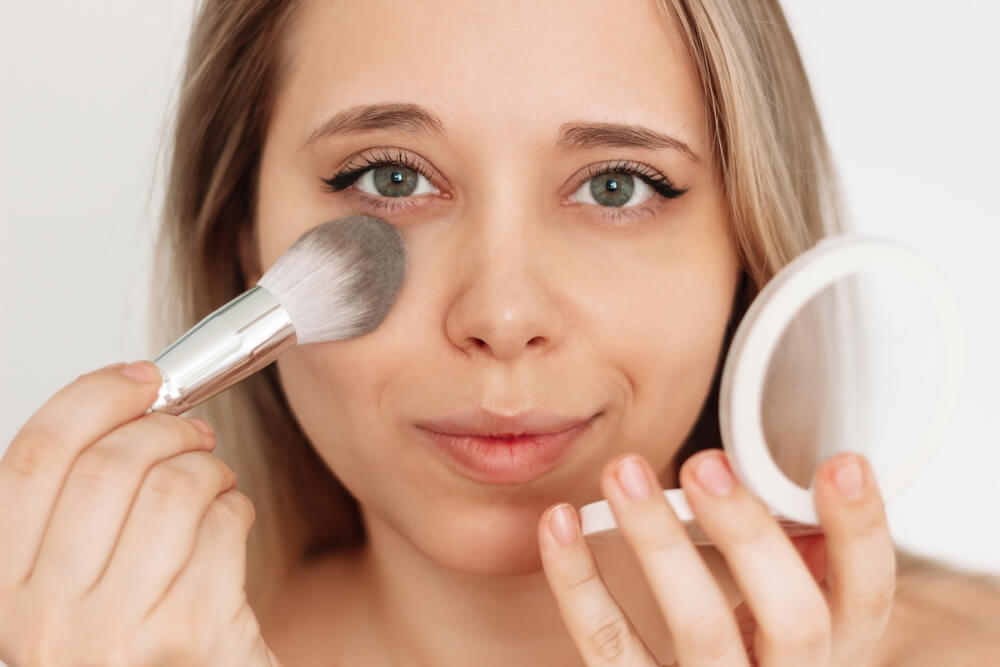
This is where the magic happens. Instead of finishing your entire face and baking, we are going to mix our textures. Take a small, fluffy blending brush and a high-quality translucent setting powder. Lightly dust the powder only over the areas where you typically get too shiny: the center of the forehead, the sides of the nose, and the chin. By leaving the high points of your face powder-free, you create that multidimensional haze.
Step 4: Soft-Focus Color
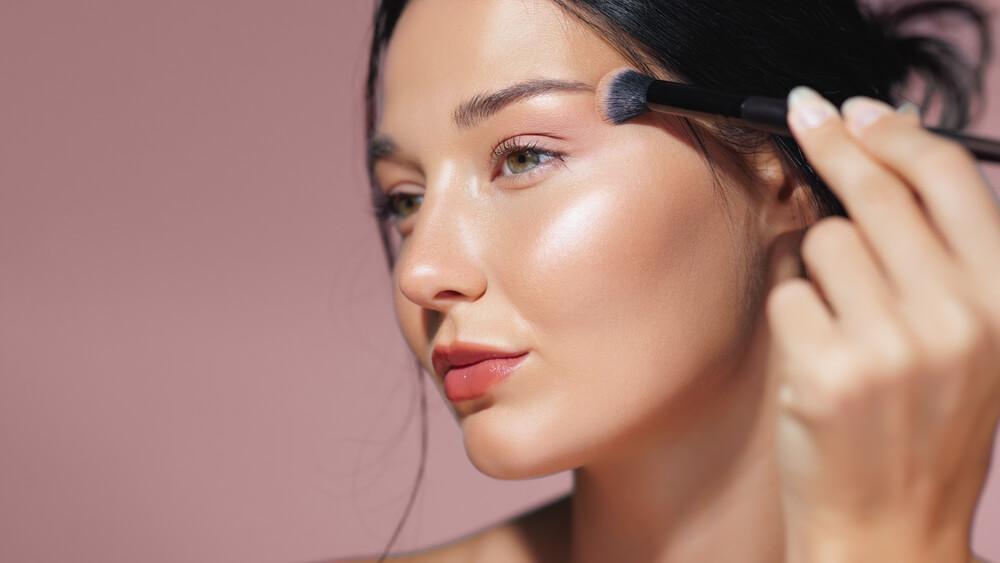
For blush and bronzer, 2026 is all about creams that dry down to a powder finish. Apply a cream blush to the apples of your cheeks and blend it upwards toward your temples. Then, very lightly, tap a tiny bit of powder over the edges. This sandwiches the color, making it look like it’s coming from under your skin rather than sitting on top of it.
Achieving this kind of seamless depth is often easier when your skin is already functioning at its peak; many find that using science-backed formulas, like those we talked about in our Celestolite skincare 30-day review, provides the smooth canvas necessary for this sandwiched technique to truly shine.
Step 5: The Finishing Mist
The final step is a hydrating setting spray. A light mist will meld the powder and the cream together, removing any powdery look and leaving you with that soft, blurred, ethereal finish. If you find your skin needs a serious hydration boost to pull this off, a prep routine involving the Voupre Aqua Collection is an excellent way to ensure your cloud doesn’t turn into a dust storm by midday.
FAQ: Master the Cloud Skin Trend
Is Cloud Skin just another word for matte makeup?
Not exactly. Traditional matte makeup aims to remove all reflection, often resulting in a flat or heavy look. Cloud Skin is about diffusion. It keeps the inner radiance of the skin but uses soft focus powders to blur the surface, creating a velvet-like texture rather than a dry one.
Can I achieve Cloud Skin if I have oily skin?
Actually, Cloud Skin is a dream for oily skin types! Because the look incorporates strategic powdering, it helps control excess sebum throughout the day. The key is to use a mattifying primer in your T-zone, but keep your foundation lightweight so it doesn’t settle into pores.
What is the best tool for applying Cloud Skin makeup?
A combination of a damp sponge for your base and a small, fluffy brush for powdering is best. The sponge keeps the base dewy, while the small brush allows for micro powdering, ensuring you only dull the shine exactly where you want to.
Cloud Skin: The Softest Version of You
The Cloud Skin revolution is a sophisticated shift from the high-shine obsession of previous years. It’s wearable, refined, and remarkably easy to maintain.
So, put down the face oil, pick up your fluffiest brush, and join the revolution. Your pores and your camera lens will thank you.



Leave A Comment