
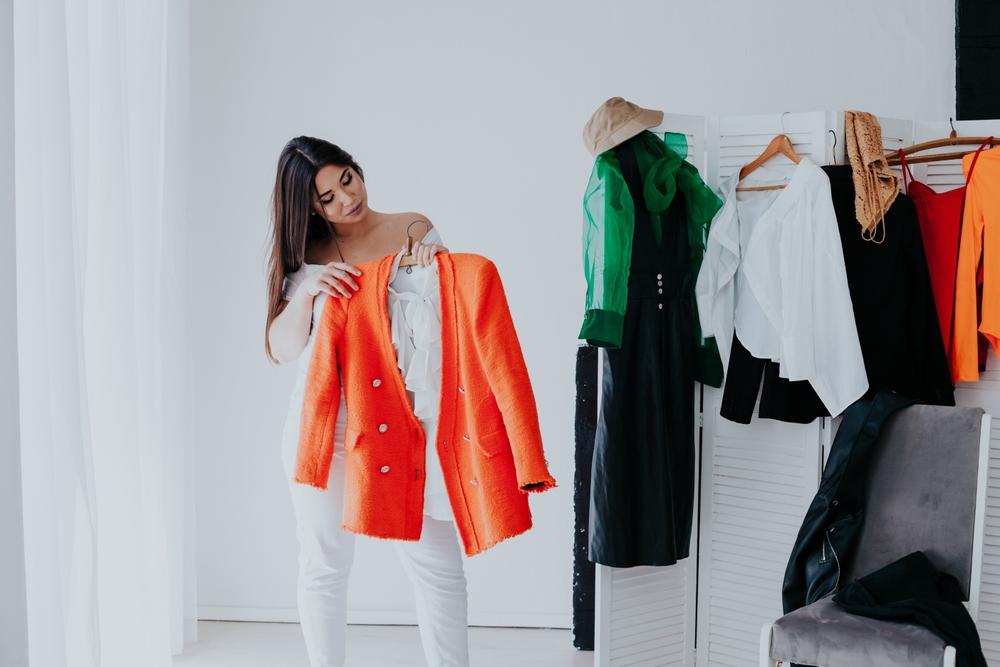
Let’s get something out of the way immediately: your outfit is not just fabric. It’s a mood regulation strategy, a social signal, and — if you play it right — a surprisingly effective form of self-care that requires zero co-pays. Welcome to the world of dopamine dressing, the trend that essentially gave us permission to wear that aggressively yellow blazer on a Tuesday and call it wellness.
So what is dopamine dressing, exactly? And more importantly, how do you actually use it without looking like you raided a Crayola factory?
What is Dopamine Dressing?
Dopamine dressing is the practice of intentionally choosing clothing colors and silhouettes that trigger a positive emotional response — specifically, the release of dopamine, your brain’s feel-good neurotransmitter. The concept isn’t new (fashion psychologists have been talking about color and mood for decades), but it exploded into mainstream consciousness post-pandemic, when we collectively realized that wearing the same gray sweatpants for 18 months was not, in fact, making us feel better.
The science is real: color psychology research consistently shows that certain hues influence cortisol levels, energy, and emotional state. Bright, saturated tones tend to signal joy and stimulation. Earthy tones create calm. Cool blues reduce anxiety. Your nervous system is, in other words, paying close attention to what you put on your body — even if you weren’t.
What makes dopamine dressing different from just “wearing color” is the intentionality behind it. You’re not randomly grabbing the red dress. You’re asking yourself: what do I need today, and what color delivers that?
The Color Cheat Sheet: What Each Hue Actually Does
Before you go panic-buying a neon orange jumpsuit, let’s break down the emotional language of color:
- Yellow is the dopamine dressing MVP. It’s associated with optimism, creativity, and mental energy. Studies in color psychology link yellow environments with improved mood and increased confidence. If you have a big pitch, a difficult conversation, or just need to feel like a person again after a rough week, reach for yellow.
- Red is power and urgency — it raises your heart rate (literally) and projects confidence. It’s the color of choice when you need the room to notice you before you’ve said a word. A red lip, a red heel, or a full red moment all count. If you want to go deep on how to pull off red in your makeup looks, our guide to picking the best lip color for your skin tone is worth a read first.
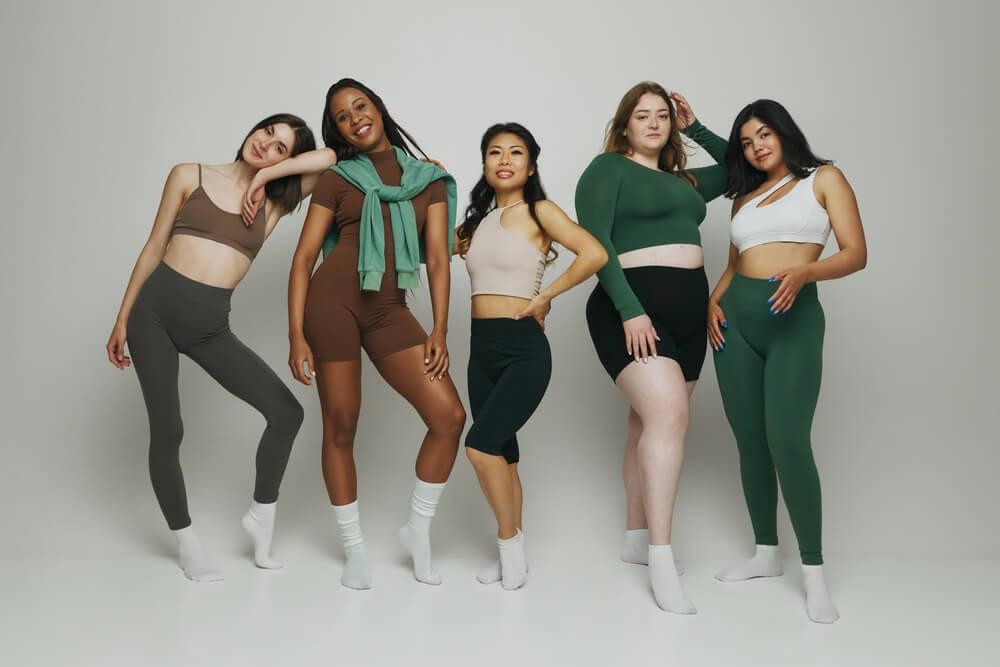
- Green — particularly sage and olive — hits differently. It’s grounding and restorative, linked to nature and calm. It’s the color to wear when you’re overstimulated and need to feel like a normal human who definitely hasn’t been on their phone for six hours.
- Blue lowers blood pressure and promotes feelings of trust and reliability. Navy and cobalt are the workhorses of dopamine dressing: they give you mood benefits without the look-at-me energy of brighter colors.
- Pink — especially hot pink and fuchsia — functions like yellow’s sassier cousin. It’s playful, warm, and signals approachability. Soft blush, meanwhile, promotes calm and tenderness. The difference between bubble-gum pink and millennial pink is essentially the difference between a pool party and a spa.
Dopamine Dressing is Not the Opposite of Quiet Luxury
Here’s where people get confused. Dopamine dressing and quiet luxury aren’t mortal enemies — they’re just solving different problems. Quiet luxury is a wardrobe philosophy about investment and restraint. Dopamine dressing is about emotional intention. The good news: you can absolutely do both.
If you’ve already been building toward a more considered, longer-lasting wardrobe — and if you need a roadmap for that, our breakdown of 5 investment pieces worth the splurge in 2026 is a solid starting point — dopamine dressing fits right in. A camel cashmere layer in dopamine dressing terms hits the “calm and grounded” end of the spectrum. A cobalt blazer paired with your tailored trousers? That’s dopamine dressing with a quiet luxury pedigree.
The key insight: dopamine dressing is about making your color choices deliberate, not just loud.
How to Actually Practice Dopamine Dressing Without Overhauling Your Closet
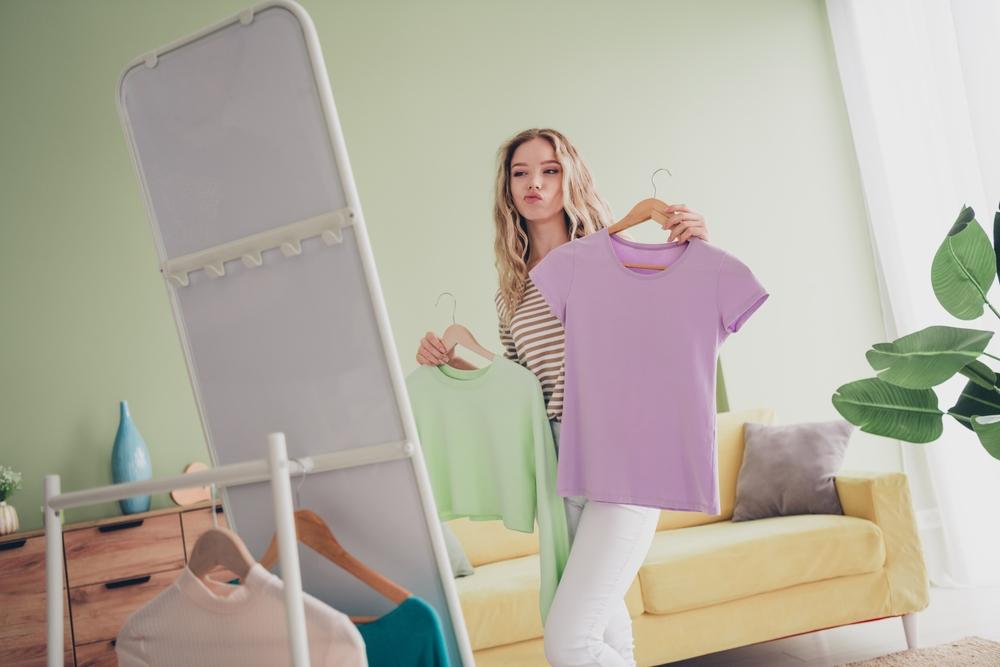
You do not need to throw out everything beige you own (though, honestly, some of it probably deserves it). Here’s a practical approach:
- Start with one statement piece. A bold-colored bag, a bright sweater, or a printed scarf can carry the emotional weight of an outfit without requiring a full wardrobe refresh. This also works conveniently if effortless style on a budget is your operating constraint.
- Color-map your week. This sounds more intense than it is. On Sunday, think about what you have coming up. Big presentation Monday? Yellow or red. Creative brainstorming Wednesday? Orange or cobalt. Recovery Friday where you’re basically feral? Sage green and do not talk to you until noon.
- Use color in your makeup, too. Dopamine dressing extends well beyond your clothing. A bold eye, a punchy blush, or a saturated lip can do the same psychological work as a bright outfit — sometimes more efficiently. If you’re exploring how makeup trends are intersecting with mood-driven beauty right now, the cloud skin movement is the softer, skin-based companion to dopamine dressing’s color bravery.
- Pay attention to what you reach for when you feel your best. Most people have a color autopilot they don’t realize they’re running. Start noticing what you wear on your best days and reverse-engineer from there.
The Bigger Picture: Why Your Outfit Actually Matters
Dopamine dressing is, at its core, a rejection of the idea that what you wear is superficial. The fashion industry has spent years oscillating between “clothes are just clothes” and “wear this and become a new person,” neither of which is especially helpful.
The more honest version: clothing is one of the few daily rituals where you have almost total creative control. You’re making a choice every single morning, whether you think about it or not. Dopamine dressing just asks you to make that choice on purpose — to treat your wardrobe as a tool for your mental and emotional state, the same way you might treat your sleep schedule or your skincare routine.
Which, incidentally, is why what you wear and how you feel about your skin are more connected than most people acknowledge. Confidence is holistic. A great outfit on skin that doesn’t feel great tends to fall flat. A well-executed look from head to toe — clothing, skin, energy — is when the dopamine really hits.
The Bottom Line on Dopamine Dressing
Dopamine dressing isn’t a gimmick. It’s a practical, evidence-backed framework for using one of the most accessible tools you already own — your wardrobe — to actively support your mood, energy, and confidence.
The barrier to entry is low. The upside is real. And you get to buy something yellow, which, honestly, is a win no matter how you frame it.
Start small, be intentional, and let your closet work for you instead of just existing at you. Your nervous system will notice the difference before you do.
Want more style strategies that actually make sense? Browse Style Tips and Fashion Trends on Media Shelf.


Leave A Comment